
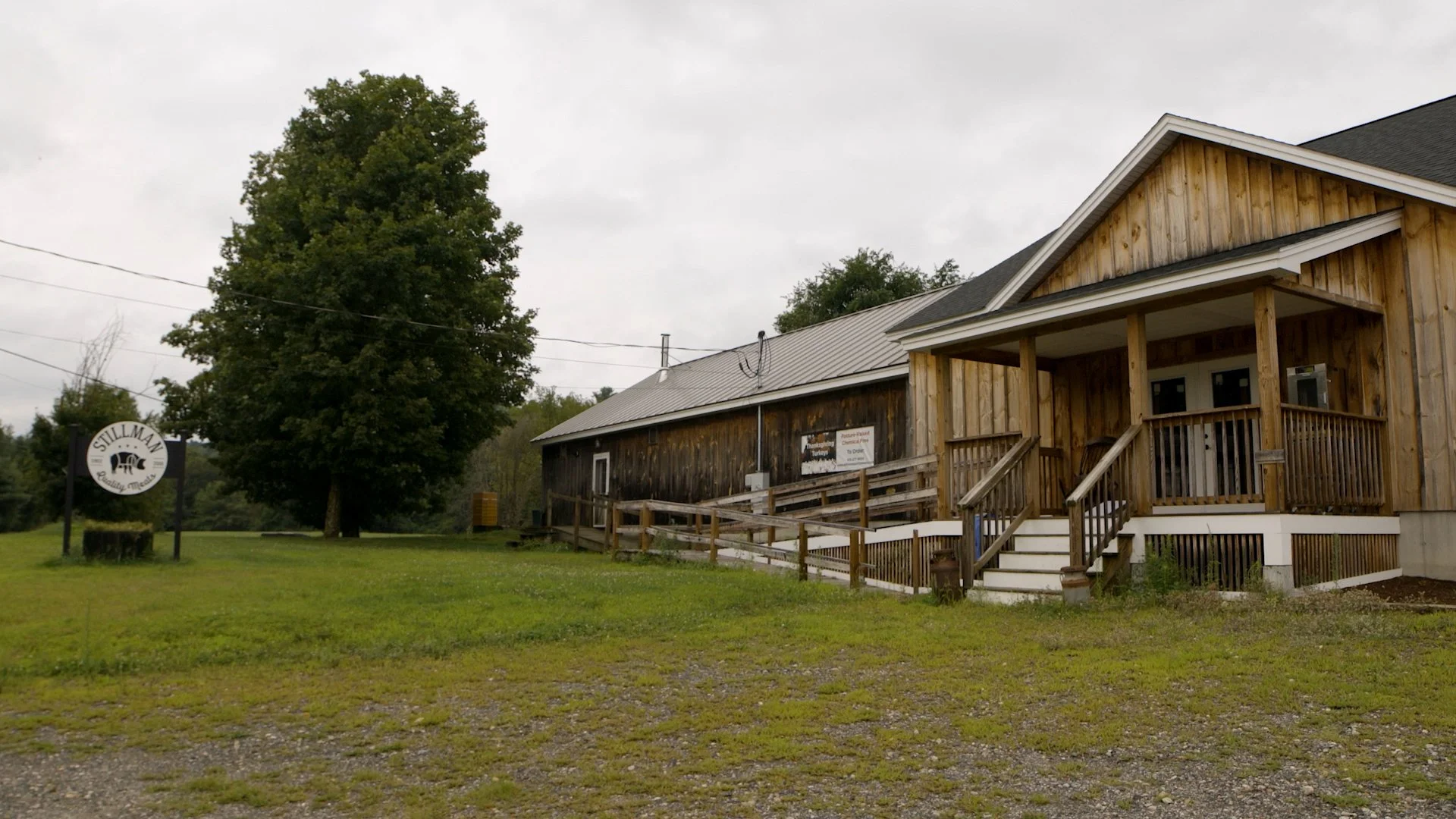
Stillman Quality Meats: Specialty Meat Producer Video

The Client
Kate Stillman has been farming in one form or another her entire life. She grew up a farmer’s daughter in a generational farm family, sold food directly to people starting at age nine, and always knew she’d find her way back to local agriculture. She just thought it would be flowers.
Instead, in 2006, she started Stillman Quality Meats in Hardwick, Massachusetts — a grass-fed, pasture-raised operation producing beef, pork, chicken, and a range of house-made products including sausages, bacon, and prepared goods. Nearly two decades in, the farm sells direct to consumers through farmers markets, a farm stand, and online sales. The product is as close to the source as it gets: raised on the property, processed on the property, sold by the people who raised it.
Kate describes her philosophy plainly: “Behind real food are real people producing it.” Stillman Quality Meats is built entirely around that idea — traceability, transparency, and the kind of quality that only comes from controlling the full process, start to finish.

The Project
In 2023, Stillman Quality Meats broke ground on a major expansion: a new USDA-inspected processing facility. The leap from state inspection to federal USDA inspection is significant — it unlocks wholesale distribution, custom processing for other farms, and the ability to produce ready-to-eat and value-added products at scale. Kate estimates capacity to support up to 300 small farms across the region.
To fund the final phase of construction, the farm launched a crowdfunding campaign in fall 2025, managed by a regional food marketing firm. They needed video content that could do three things at once: tell Kate’s story, explain why the USDA facility matters for the broader regional food system, and move people to invest. That’s a harder assignment than it sounds.
The project came in through a Facebook post Kate had made in a local community group. I responded with my portfolio — including the Agronomy Farm Vineyard video — and from there connected with Kate and the marketing team to scope the work.

What Was Produced
The deliverables were several two-to-three-minute, interview-driven videos. Each cut for a distinct campaign audience and use case: a core narrative video introducing Kate and the farm, an investor-focused video making the case for the USDA facility and the funding need, and a community impact video about what the expansion means for regional farmers, local food security, and the broader Central Massachusetts food economy.
Production involved two separate visits to the farm. The first was the interview day: sit-down interviews with Kate, fully lit, covering all three video angles in a single session. The second was a dedicated B-roll day: animals on pasture, the facility under construction, employees working in the current processing space making house-made products. That footage is what turns an interview into a film. Without it, you have a talking head. With it, you have a story.
The marketing team also flagged the value of a second version of the community impact video that leaned harder into local jobs and regional agricultural infrastructure, a cut suited to mid-campaign emails rather than the top-of-funnel introduction. That version was turned around quickly and incorporated without a full re-shoot.

The Story Inside the Story
Kate is one of the stronger interview subjects you’ll encounter doing this kind of work. She’s been talking about food, farming, and the broken economics of small meat production for nearly 20 years, and she knows exactly what she thinks. The transcripts from the shoot are unusually quotable.
On why she built her first processing facility: her father told her that if you want to sell peaches and apples, you have to plant the orchard. She learned that lesson fast when she was driving six to eight hours each direction just to get a protein processed — and sometimes arriving to find it hadn’t been processed at all. The new USDA facility is the orchard, scaled up for an entire region.
On the food system: “The food system has gotten too big.” She grew up on a farm where of course the cows ate grass — she didn’t know another reality existed. The work she’s doing now is about making that reality accessible to more people, not as a luxury or a label, but as the actual standard.
On her place in the industry: she walked into rooms for years where there weren’t many women, and certainly not many who looked like her. She’s made her footing over 18 years. The USDA expansion is the next leap — and she couldn’t take it without those years behind her.
None of that is manufactured. It’s what comes out when you ask the right questions and then stay out of the way.

Why It Matters
This project is a different kind of case study than the others. The goal wasn’t a brand video for a business’s website — it was a set of campaign tools designed to move people to open their wallets for something they couldn’t yet see. That requires a different kind of storytelling: less “what we do” and more “why Stillman Quality Meats, why it matters, and why now.”
Three videos. Three audiences. Three distinct editorial angles cut from the same interview session and B-roll library. That’s efficient production thinking applied to a real campaign need. Not shooting three separate interviews, but designing the original session to support all three cuts from the start.
It also demonstrates comfort working inside someone else’s campaign structure. The marketing firm had the strategy. Kate had the story. The job was to make a video that served both, and to turn revisions around fast enough that the campaign timeline didn’t slip. That’s what a production partner does, not just a videographer.
Related Projects
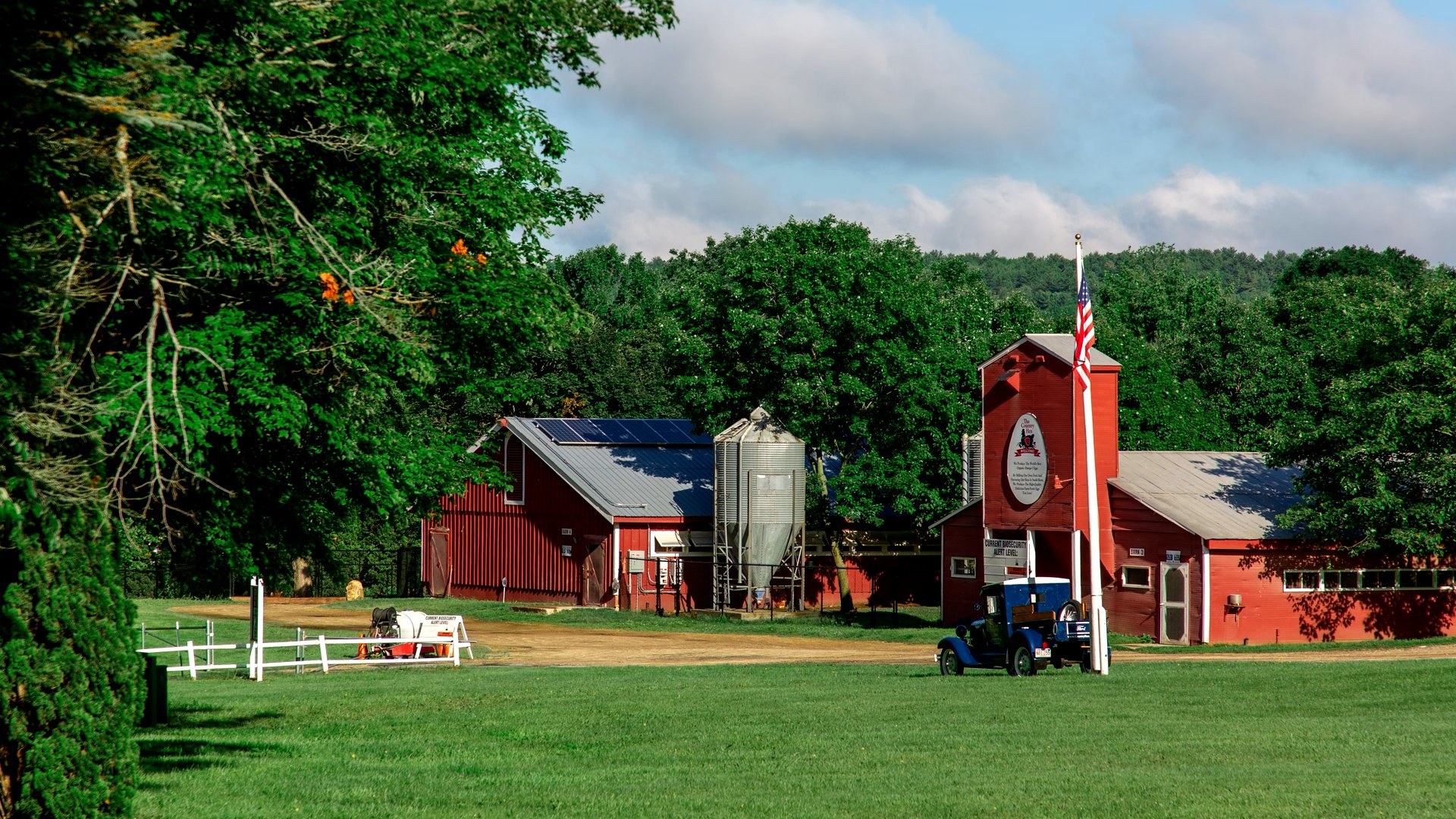
Hubbardston, MA
A full-day shoot at a Central Massachusetts egg farm became a broadcast-ready commercial that tells their real story: genuine commitment to animal welfare and craft.
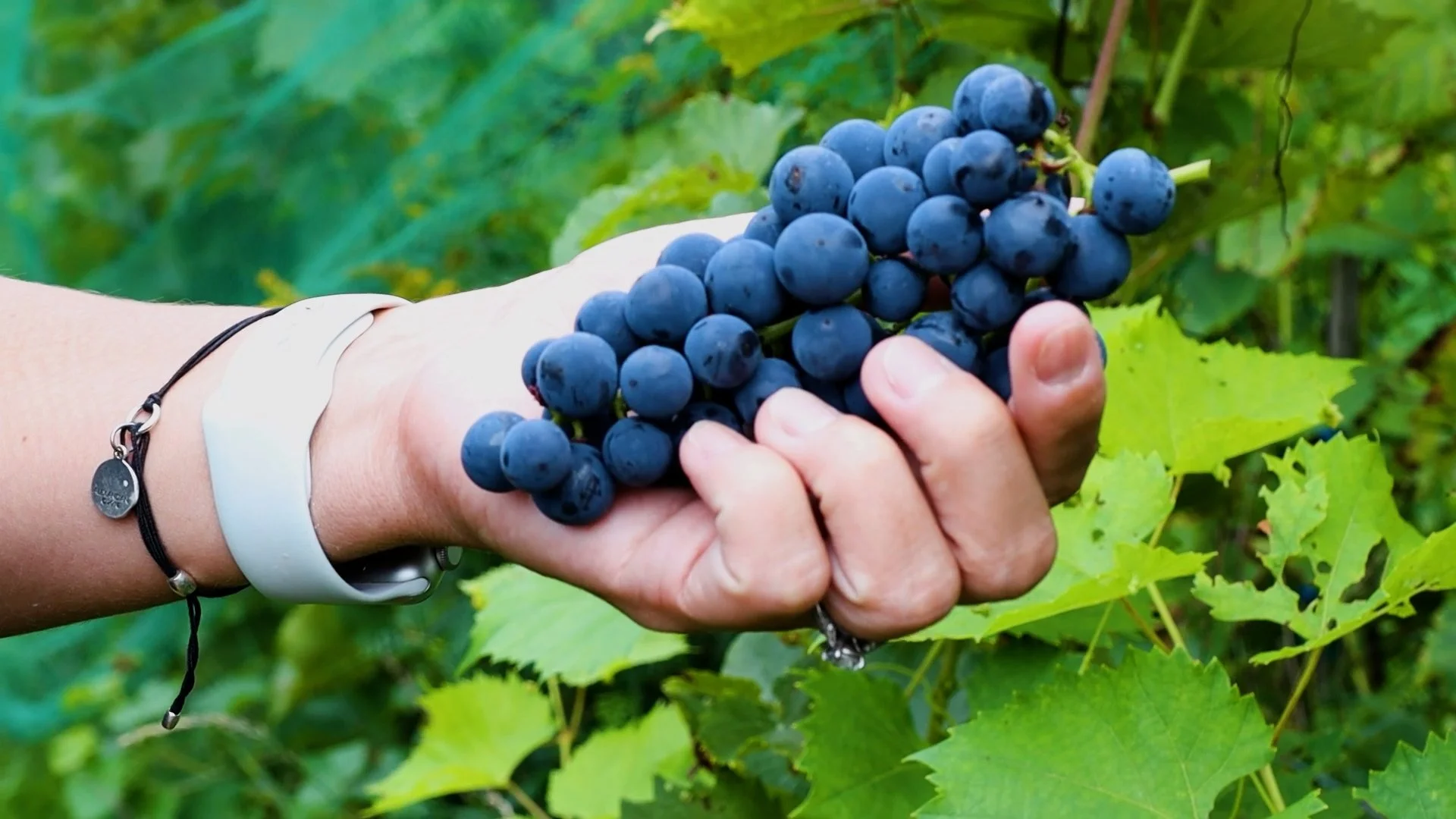
Oakham, MA
Shot across three years (including COVID), this brand video uses interviews and location footage to show why their approach matters. It's become their sales tool and proof point for what's possible in the region.