
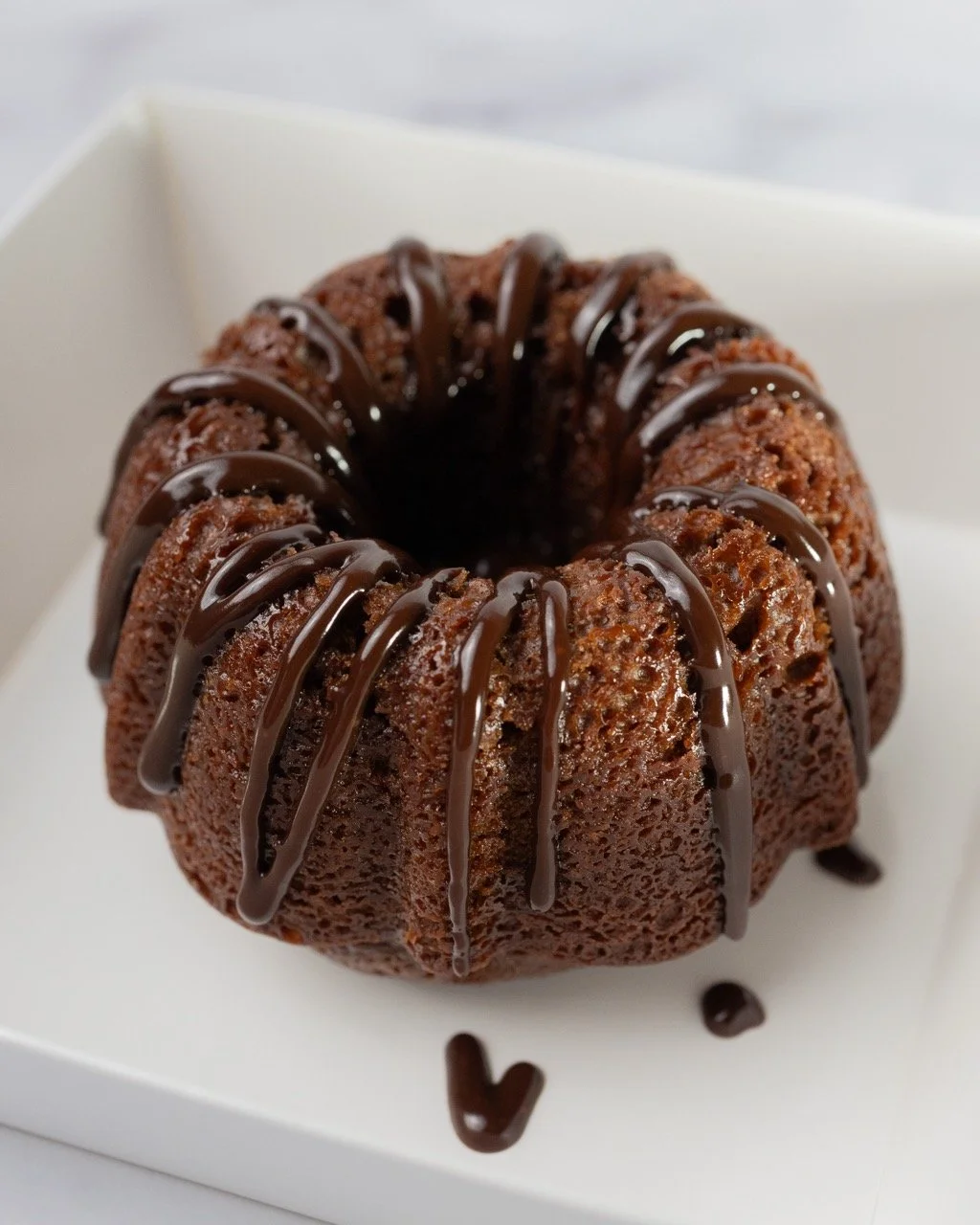
Scroll through Instagram for ten minutes and you'll run into at least one video that stops you cold. Maybe it's a close-up of a laminated croissant being torn open. Maybe it's a pint of something dark and luxurious being poured into a glass. Maybe it's a vineyard at golden hour with a crisp white wine, or delicious chocolate ganache being drizzled on top of a bundt cake.
You didn't ask to see it. You weren't looking for it. You just stopped, watched the whole thing, and now you want to go find that bakery.
That's what good food video does. It's not about production value for its own sake. It's about having someone experience the taste of your food or drink with their eyes.
The tricky part is that different types of video serve completely different purposes. A brand film that lives on your homepage is not the right tool for a new menu launch. An Instagram reel designed to stop a scroll is not what you hand a distributor in a sales meeting. Each type has a job. Here are the six video types worth knowing about.
1. The Brand Film
What it is: A 2 to 4 minute film built around your story. Who you are, why you started, what you make, and what makes it worth seeking out. Usually built around a conversation with you or your team, supported by footage of your space, your process, and your product.
What it does: This is your anchor piece. It lives on your homepage. You send it when someone asks what you're about. You play it in a distributor meeting. It's the one video that has to exist before anything else, because it establishes who you are for anyone who's never encountered you before.
When to make it: Early. Or whenever what you have no longer represents where you actually are.
Real example: Agronomy Farm Vineyard needed something to bring into wholesale conversations. A brand video built around sit-down interviews with both owners, Corey and Marissa, gave them a sales tool that works for every new distributor relationship. When they released it on Facebook, it generated 91 reactions, 20 comments, and 13 shares from a community that wasn't large but was genuinely engaged.
2. The Product Launch or Feature Video
What it is: A short, focused video (30 seconds to 2 minutes) centered on a single product or new release. Can be a close-up showcase of how it looks and feels, a brief origin story for how it came together, or a combination of both.
What it does: Breweries and wineries spend months developing a single release: dialing in the recipe, the grain bill, the fermentation, the label design. And then they announce it with a flat photo and three sentences of copy. A short video does something the flat photo can't: it makes the product feel real and worth seeking out before the person has tasted it.
When to make it: Seasonal releases, new menu items, special collaborations, anything you've put real development time into and want to give a proper introduction.
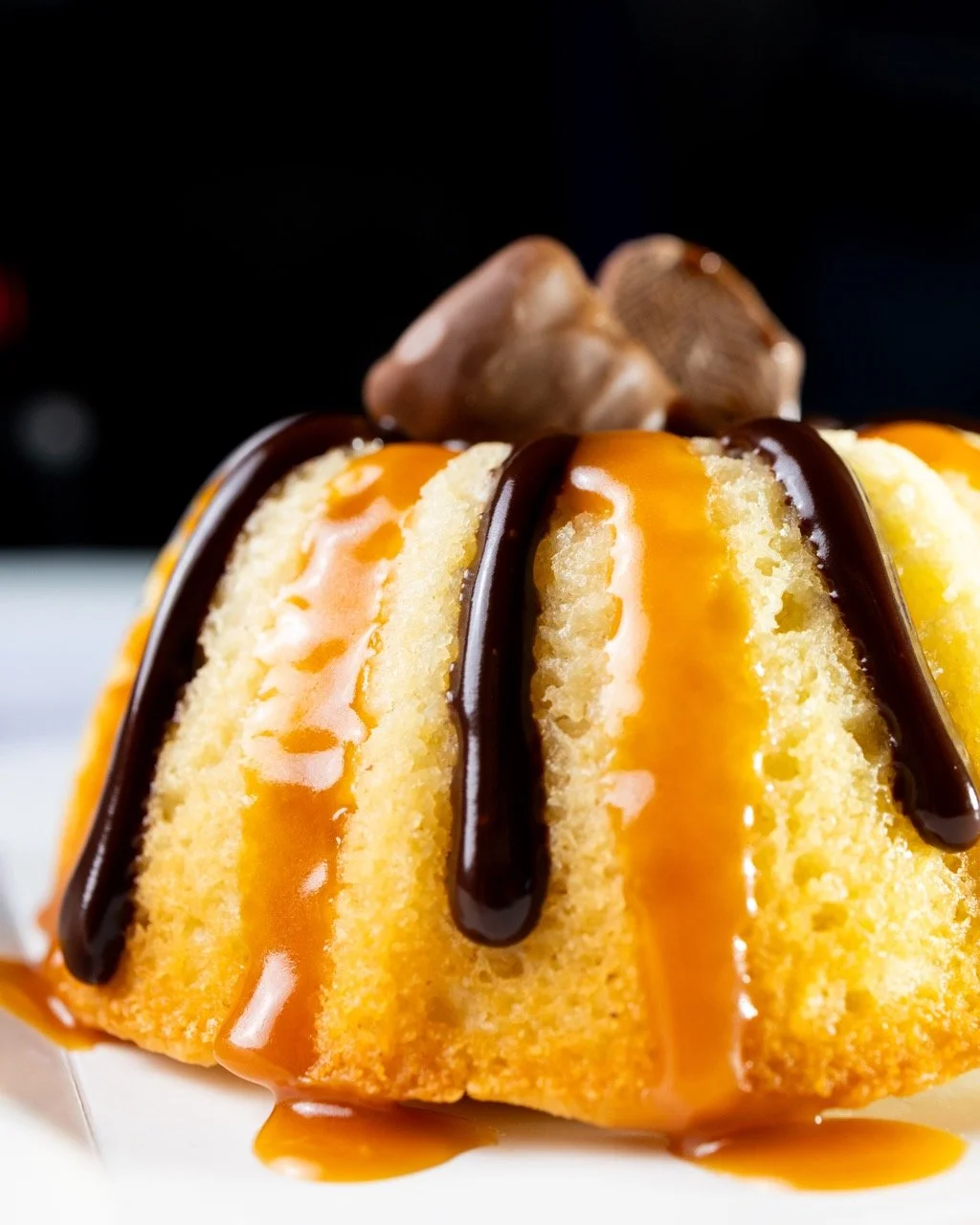
Real example: I see this all the time with Sweet Nala's Bakery. When a new Bundt flavor (like the Twix Bundt Cakes below) or a seasonal brownie comes out of the kitchen, a close-up video of that product does real work. It's not just pretty: it's driving people to order. The bakery's 469 link clicks over 20 months came largely from content that made the product look exactly as good as it tastes. Breweries and wineries, especially, are sitting on a version of this they're underusing.
3. The Testimonial Video
What it is: Structured around a person, not a product. A customer talking about why they keep coming back. A farmer explaining why they use your processing facility. A market regular who's been buying from you for years.
What it does: People trust people more than they trust brands. A real testimonial from a real customer carries credibility that no amount of marketing copy can replicate. It's also uniquely useful for any situation where you're asking someone to do something that requires trust: join a wine club, invest in a crowdfunding campaign, choose your eggs over the grocery store option.
When to make it: Crowdfunding launches, wine club recruitment, market season openings, any time you're asking a stranger to take a leap.
Real example: Stillman Quality Meats ran a crowdfunding campaign in fall 2025 for a new USDA-inspected processing facility. Three interview-driven videos, each cut for a different campaign audience, did the work of explaining what the expansion meant and why it was worth investing in. The marketing firm handling the campaign reviewed the first cut and said it was lovely. That's not an accident. It's what happens when you start with a genuinely compelling interview subject and ask the right questions.

4. Behind-the-Scenes and Process Video
What it is: Short, informal video showing what happens before the finished product exists. The 5am bake. The barrel room. The field before harvest. The stuff your customers never see.
What it does: This is the content that builds community over time. It's not a pitch. It's an invitation into your world. People who feel like they know you buy from you more often and tell more people. Consistent behind-the-scenes content is the single best tool for staying in your audience's feed without feeling like you're advertising at them.
When to make it: Regularly. This is your social backbone. You don't need a production day for it: you need a phone, decent light, and something interesting happening in the frame.
Real example: Sweet Nala's entire content strategy is built around this. Food photography and behind-the-scenes kitchen video captured every time something new comes out of the oven. Since launching in June 2024 through early 2026, the bakery went from roughly 30 followers to 282 net new followers, 9,464 total interactions, and 10,766 page visits. Sales grew about 10% year-over-year. None of that came from paid advertising. It came from showing up consistently with content that looked intentional.
5. The Broadcast or Paid Social Ad
What it is: A tight, produced 15 to 30 second spot designed to run as paid media: regional cable, Facebook and Instagram ads, YouTube pre-roll. Not a repurposed brand film. Something built to function as an ad from the first frame.
What it does: Organic content reaches people who already follow you. Paid advertising reaches people who don't. A well-made 30-second spot can introduce your farm or product to a defined geographic audience at scale.
When to make it: When you have a marketing budget, a campaign or season you're promoting, and a specific audience you're trying to reach who aren't already in your orbit.
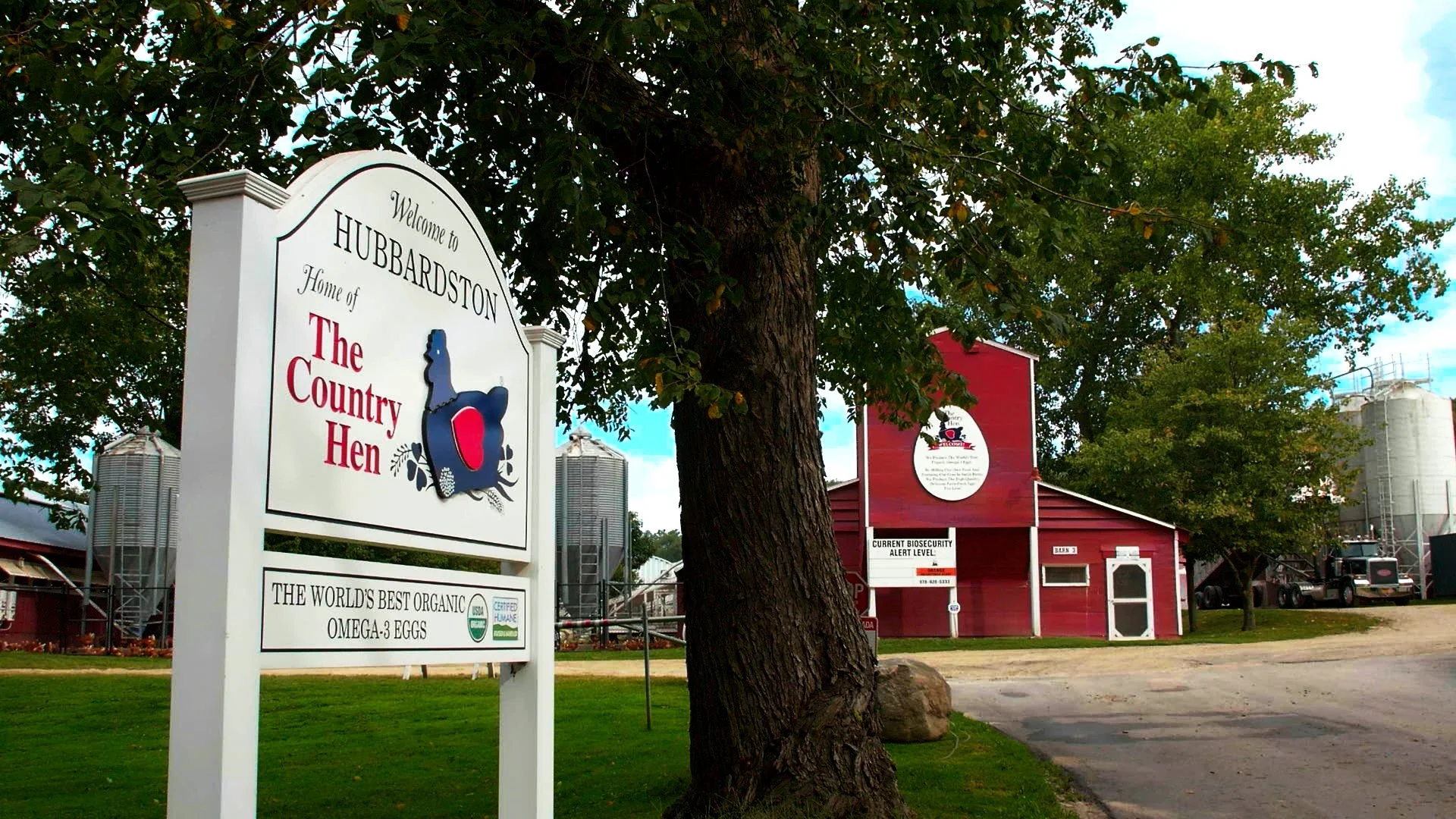
Real example: The Country Hen's broadcast spots ran on regional cable across New Hampshire and Massachusetts for several months. Single production day, ambient lighting, clean animated typography for the messaging. The confirmation they were reaching new people: family members calling to say they'd seen the spot on TV.
6. The Social Content Package (Short-Form Vertical)
What it is: A set of short-form portrait videos (9x16) built for Instagram Reels, Facebook Stories, or TikTok. Either captured specifically for social or cut from an existing horizontal shoot, re-edited for vertical format and social pacing.
What it does: Platforms reward content that was made for the platform. A 60-second brand film cropped to vertical and posted as a Reel performs worse than a Reel that was conceived and cut for the format. The first three seconds determine whether someone stops or scrolls. Vertical-native content is built around that constraint.
When to make it: As part of any production day. If you're already shooting a brand film or a broadcast spot, planning for social cutdowns during the shoot costs almost nothing extra and extends the reach of every production day you book.
Real example: The Country Hen's three portrait social clips were re-edited from the 60-second broadcast spot, paced and cropped specifically for social. Same source footage, completely different viewing experience. That's the right way to extend a production rather than shooting twice.
Where Do You Start?
If you haven't done video before: the brand film is the first priority. It anchors everything else and gives you an asset that works across every channel.
If you're already doing social content but it feels inconsistent: build a behind-the-scenes content routine before investing in anything more produced.
If you have a specific campaign or launch coming up: plan the video around the campaign goal from the start, not after the shoot.
Not sure which applies to you? That's a normal place to be. Reach out and let's figure it out.