
Your Farm Has a Story Worth Telling. Most People Will Never Hear It.
Most farms run on word-of-mouth. It's honest, it works, and it costs nothing. The problem is that word-of-mouth has a hard ceiling. Eventually you've reached everyone who knows someone who knows you, and growth stalls.
Video is how you get past that ceiling. Not because it's trendy, but because it does something word-of-mouth can't: it lets a complete stranger experience your farm before they've ever left their couch.
The Beautiful Part of the State Nobody in Boston Knows About
I'll be honest: before I started doing this work, I wasn't fully aware of how much was out here. I grew up in Massachusetts, but Central Mass doesn't exactly have a PR department. The farms, the vineyards, the small producers making genuinely excellent things in places like Hardwick and Oakham and Hubbardston: none of that shows up in the travel guides.
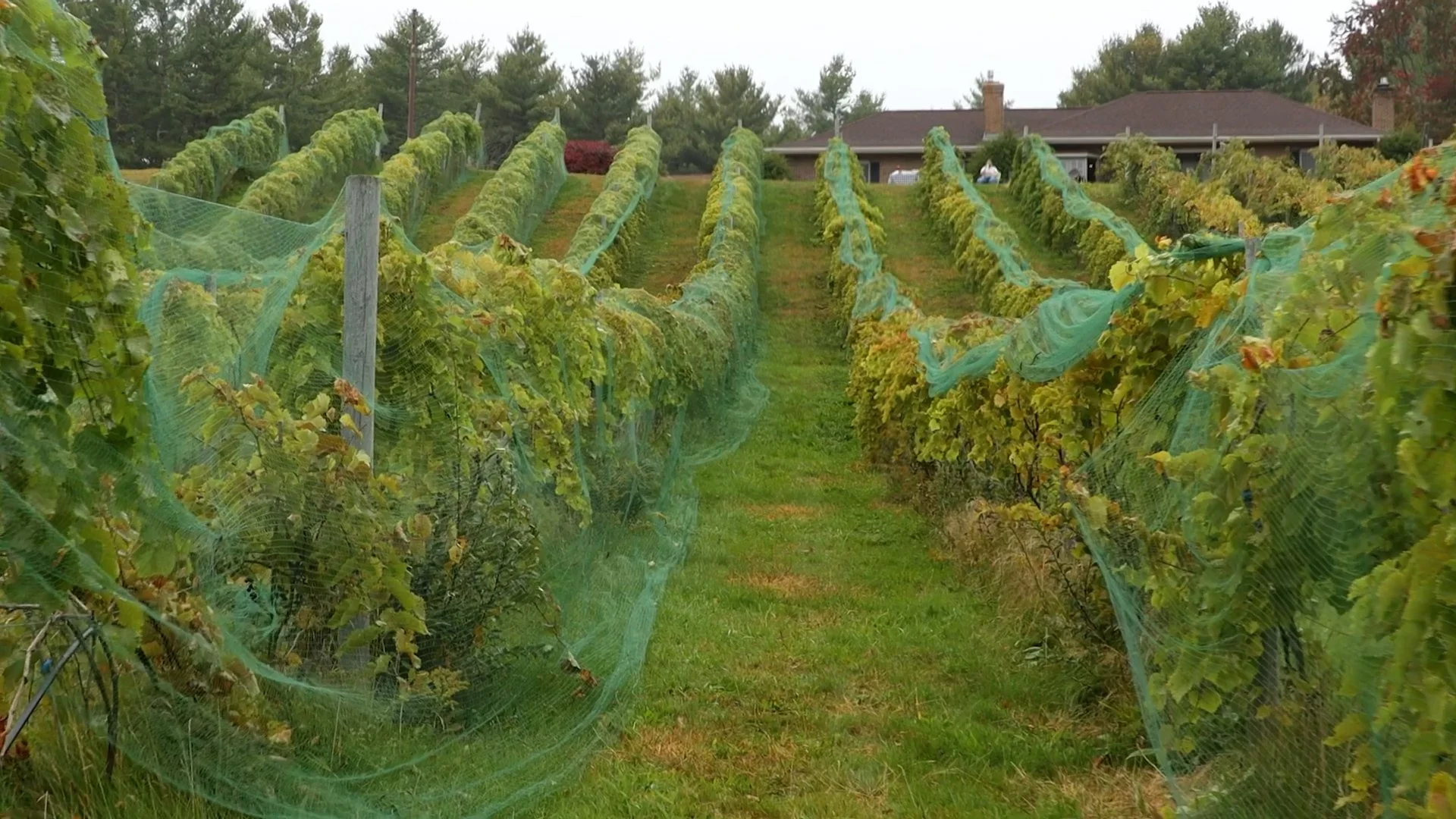
When I shot at Agronomy Farm Vineyard for the first time, Corey and Marissa took me up to the top of the property at a point where you could see the vineyard rows running down the hill and the pond below with the little venue area they'd built out. They do events up there in the summer with food trucks and live music. It's exactly the kind of place you'd drive an hour for if you knew it existed.
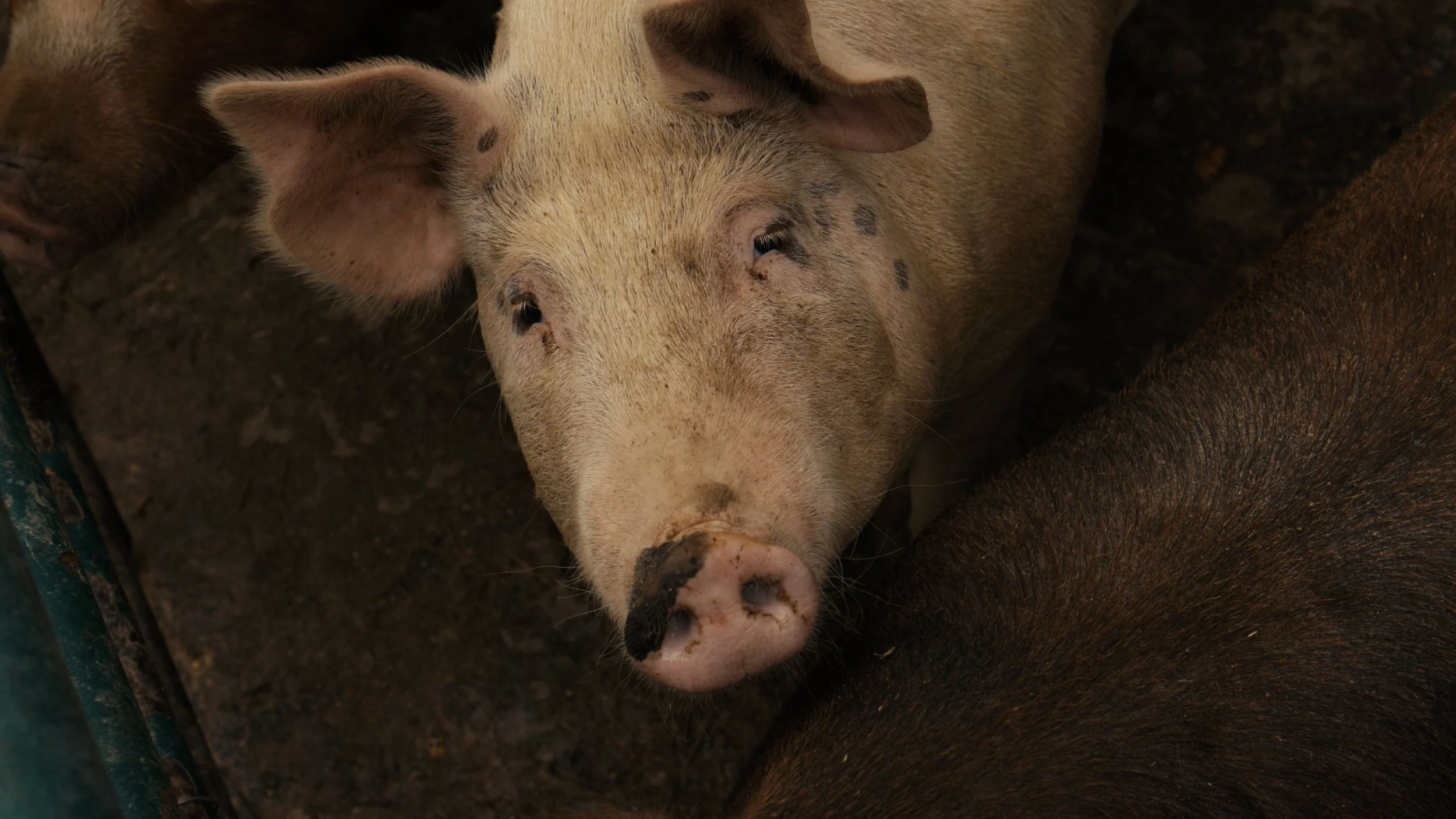
Stillman's is the same way. Kate has this incredible piece of property in Hardwick with animals just roaming around, real honest-to-goodness working farm, and the thing I kept thinking while I was there was: why doesn't everyone know about this place?
That's the problem video solves. Not just 'here is information about us.' But: here is what it feels like to be here. Here is why you should make the drive.
Word-of-Mouth Has a Ceiling
You know what word-of-mouth doesn't do well? Reaching people who have never been to your town.
The person who discovered your farm stand three years ago and has been coming back ever since: great. But the couple in Worcester who hasn't heard of you yet, who would happily drive 40 minutes for quality eggs or a bottle of local wine if they just knew you existed? Word-of-mouth doesn't reach them. The farmers market doesn't reach them. Your website reaches them, maybe, if they're already searching.
Video on social media reaches them. A brand film on your homepage keeps them when they land there. A 30-second spot on regional cable reaches them while they're watching TV at night.
According to Wyzowl's annual video marketing survey, 89% of consumers say video quality directly impacts their trust in a brand. For farms asking customers to pay a premium based on how their food was raised, that trust gap is everything.
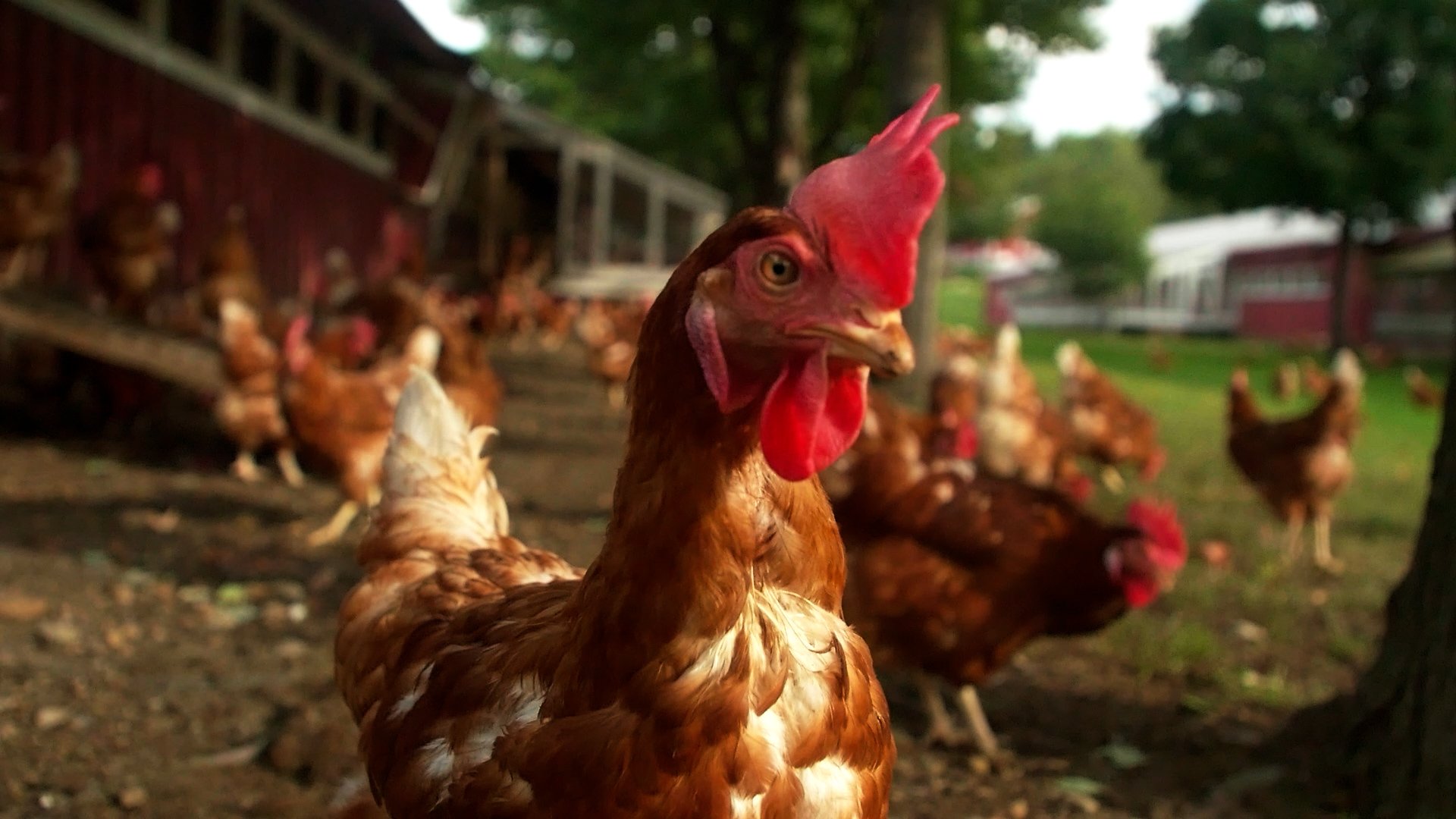
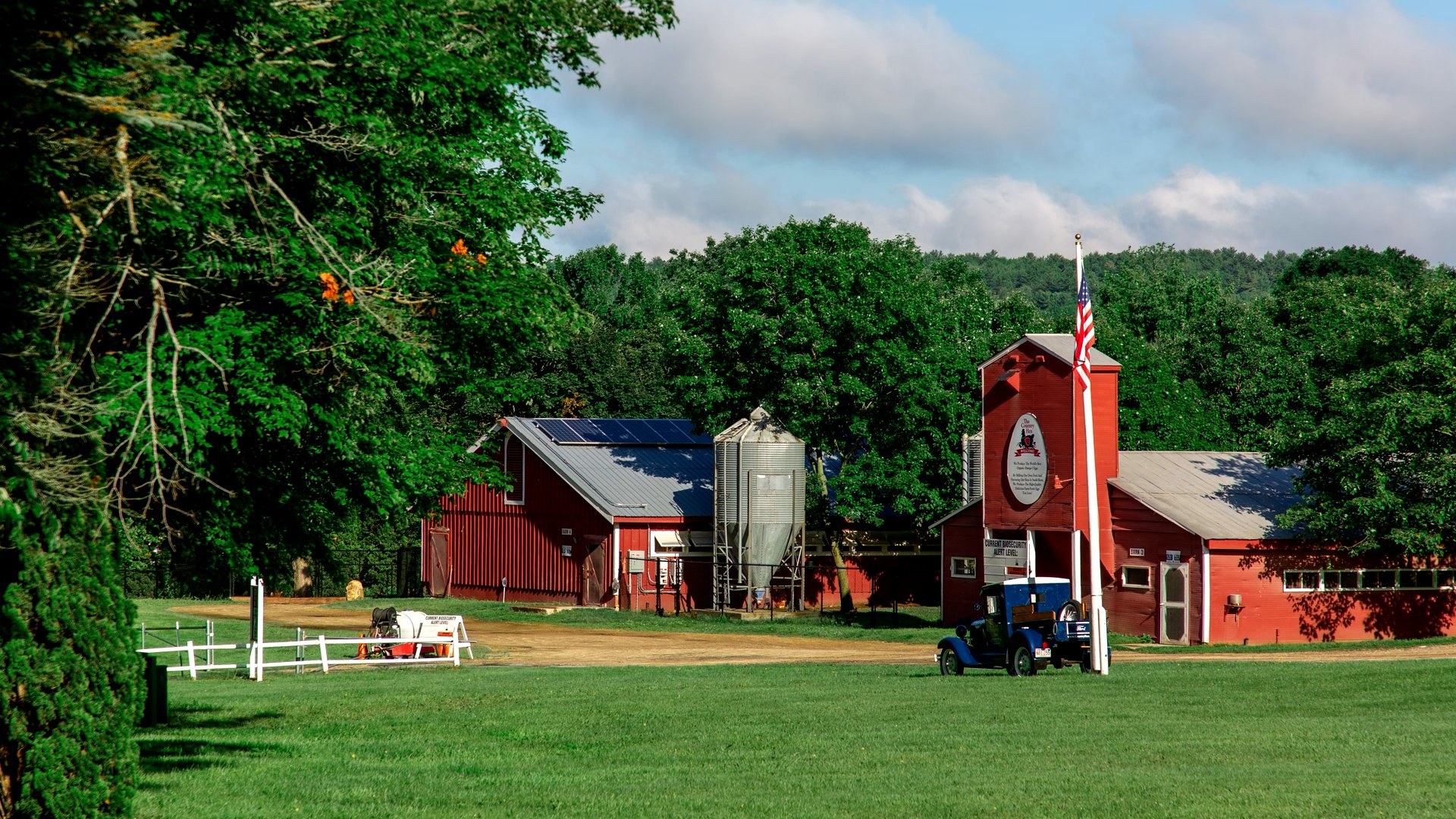
This isn't speculation. The Country Hen, an egg farm in Hubbardston, ran two broadcast spots on regional cable across New Hampshire and eastern Massachusetts. The confirmation they were landing? Unsolicited calls from family members who'd spotted them on TV. Not a conversion metric in a dashboard. Actual phone calls from people who saw the ad and recognized the farm.
Video Lets Your Farm Do the Talking When You Can't
If you're trying to get your products on store shelves or build a wholesale relationship, you eventually have to walk into a room and explain who you are and why someone should carry your product over the dozen other producers making something similar. You get maybe 20 minutes. Probably less.
A brand video can do a lot of that work before you walk in. Send it ahead of the meeting. Play it at the start. Leave a link behind. The buyer has already met you before the handshake.
Agronomy Farm Vineyard produces wine made from cold-hardy hybrid varietals, all grown on property, in a climate that most people don't associate with serious winemaking. Getting that story across in a distributor conversation is genuinely hard. Their brand video does it in about three minutes, with both owners talking directly to camera about why these grapes, this climate, this property.
That video is a sales tool that works while Corey and Marissa are pressing grapes.
The Atmosphere Is the Product
Here's the thing about farms, wineries, and small food producers that doesn't apply to most other businesses: the place is part of what you're selling.
When someone buys a bottle from Agronomy or a box from Kate Stillman at the farmers market, they're not just buying the product. They're buying into a story about where it came from and who made it. Video is the fastest way to tell that story to someone who hasn't experienced it yet. In a day and age where AI saturates everything, video can give us that uniquely human connection.
Central Massachusetts has something most places don't. The rolling farmland, the old stone walls, the fall light in October: it reads beautifully on camera. I've shot video all over the country–from California to Texas, Chicago to New Jersey and everything in between–and there's a specific quality to the land out here that translates in a way that makes people want to come find it for themselves.
That's not fluffy marketing copy. It's just true. And it's worth using.
Where to Start
If you've never done video before, the brand video is the right first step. Two to three minutes, built around a real conversation with you, supported by footage of your space and your process. It becomes the anchor piece: the thing that lives on your homepage, gets sent when someone asks what you do, and plays at your market booth.
If you're already doing some video but it's inconsistent or outdated, the priority is usually getting something current that reflects the business you're running now, not the one from three years ago.
Either way, the starting point is the same: figure out who you're trying to reach, and what you want them to feel when they find you.
Ready to Talk?
Labradoodle Studio works with farms, food producers, and agricultural businesses in Central Massachusetts. If you're curious what a production day at your place would look like, reach out and let's have that conversation. No pressure, no pitch on the first call.
Just a real conversation about your farm and what video could do for it.